450 MW secured across Thailand and Malaysia.
330 MW scheduled for power in December 2027.
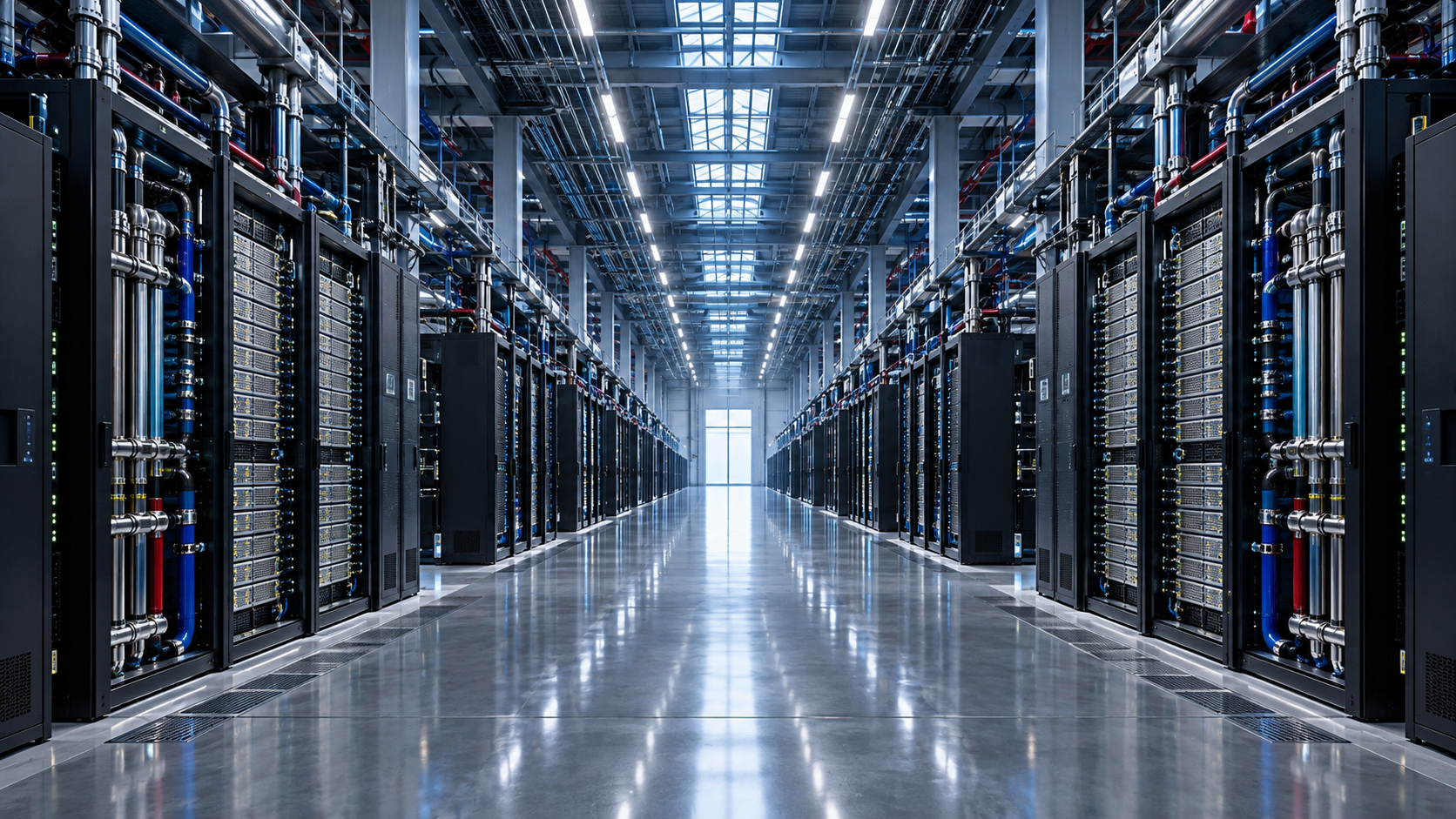
450 MW utility-secured across Thailand and Malaysia, with capacity currently under active commercial engagement. Detailed commercial status available under NDA.
Request Project Access →450 MW
Secured Capacity
Utility-secured across Thailand and Malaysia
330 MW
December 2027 Delivery
Scheduled for power
2.0+ GW
Development Roadmap
Total pipeline
340+ MW
Team Experience
Delivered by our people
Secured → Delivery → Experience → Future Pipeline
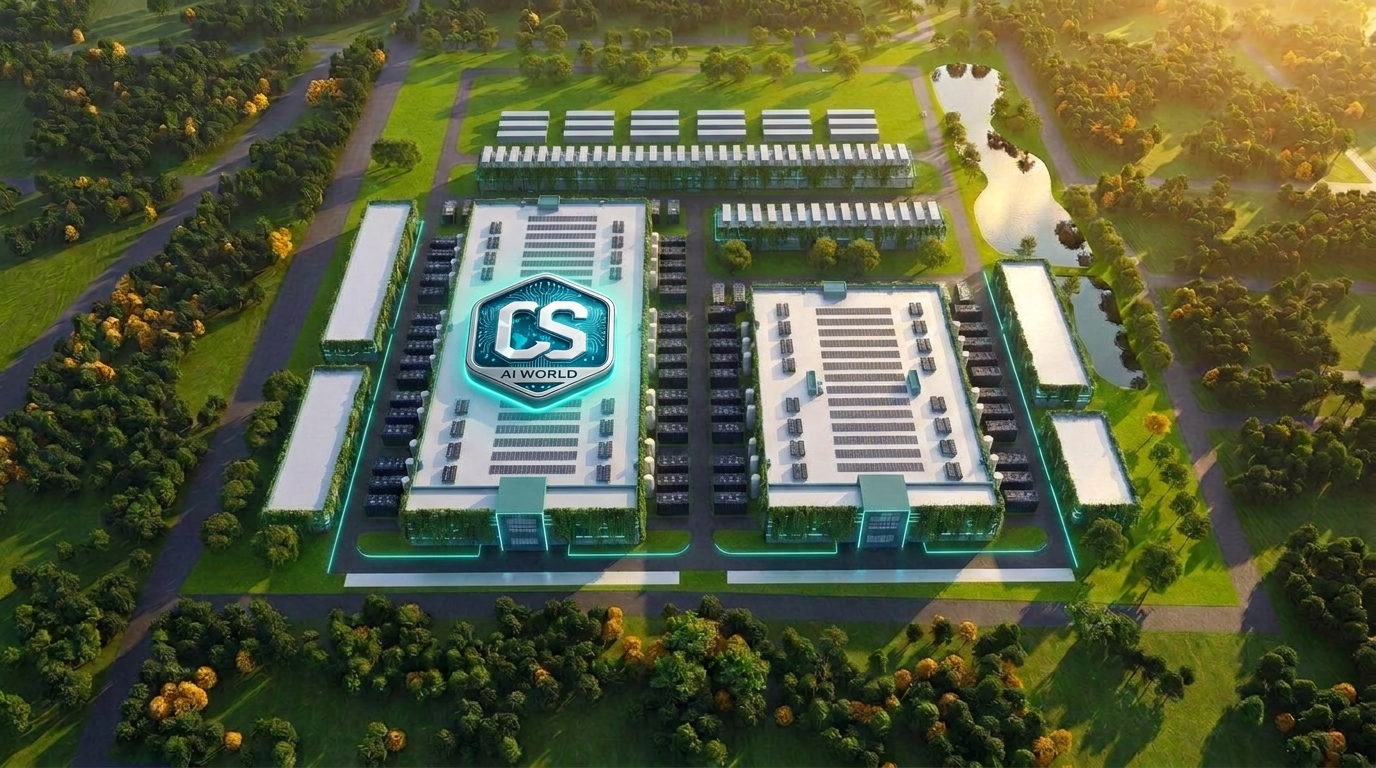
Navanakorn, Thailand
130 MW
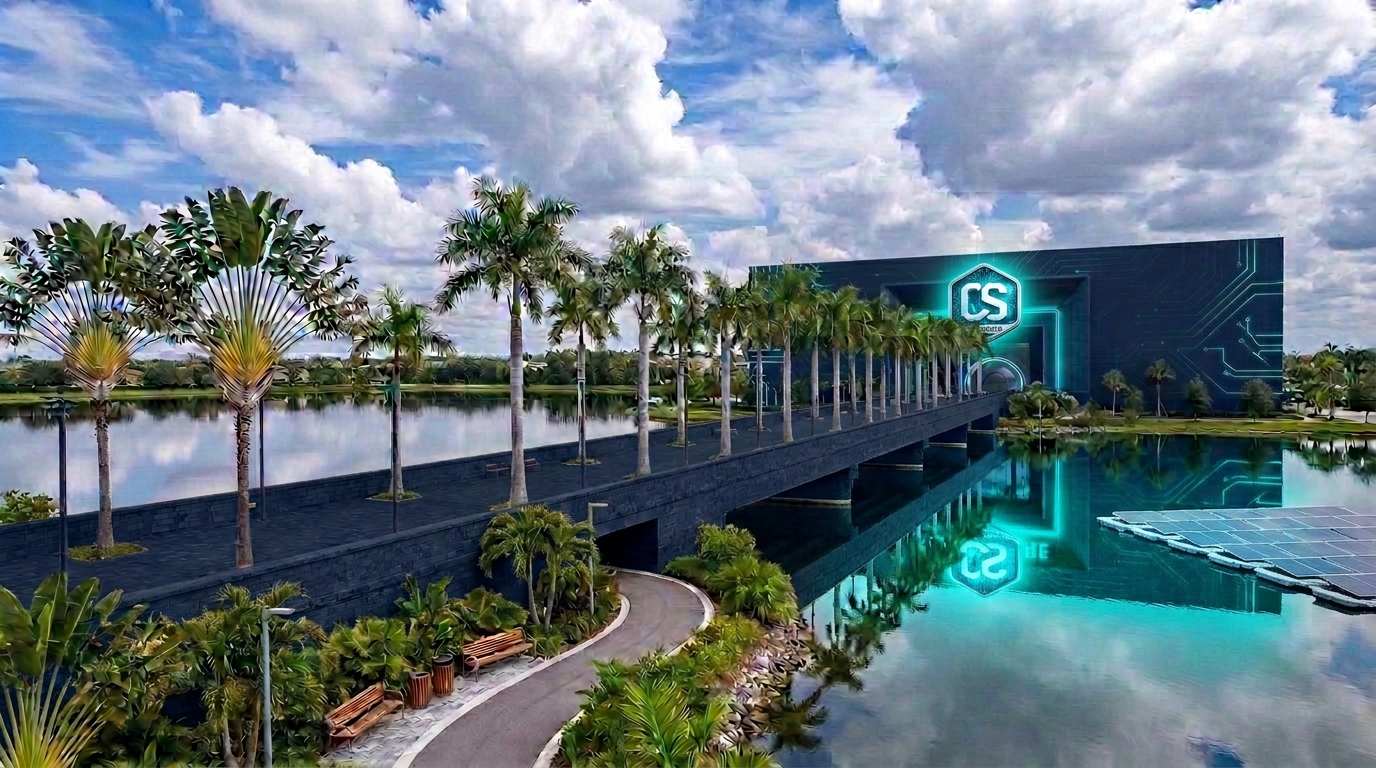
Negeri Sembilan, Malaysia
200 MW
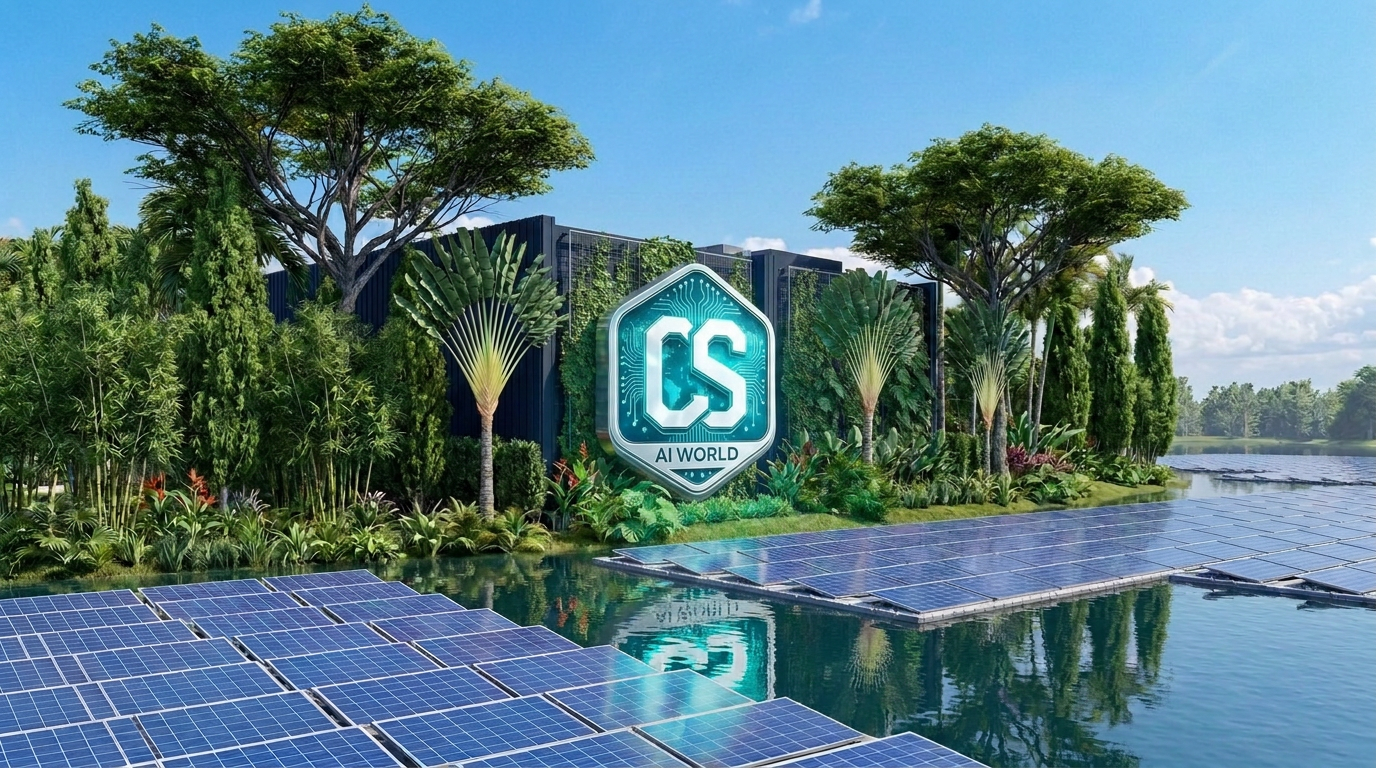
Ayutthaya, Thailand
100 MW
The Physical Constraint
Before any model trains or any inference serves, someone must secure the land, obtain the power, design the facility, get the permits, manage the construction, and operate the systems. In power-constrained growth markets, that is the bottleneck — and that is what Coresphere solves.
Power
Density
Cooling
Network
Local Execution
Coresphere turns land, power, permits, engineering and local execution into AI-ready capacity.
The Coresphere Platform
From site selection and power procurement through design, construction, commissioning and operations, Coresphere stays involved across the full infrastructure lifecycle.
Site
Selection & origination
Power
Procurement & grid
Design
Engineering & permits
Build
Construction management
Commission
Testing & handover
Operate
24/7 operations
Utility capacity is confirmed before any commercial program begins. PEA letters, confirmed MW allocations, and dual-source redundancy are verified entry conditions — not assumptions.
Every campus is engineered to deployment requirements — from rack density and cooling topology to substation architecture, fiber routing and resilience design.
The same people who originate the site, procure the power, and oversee design also manage construction, commissioning and ongoing operations.
Infrastructure Design
AI infrastructure cannot be designed around today's rack.
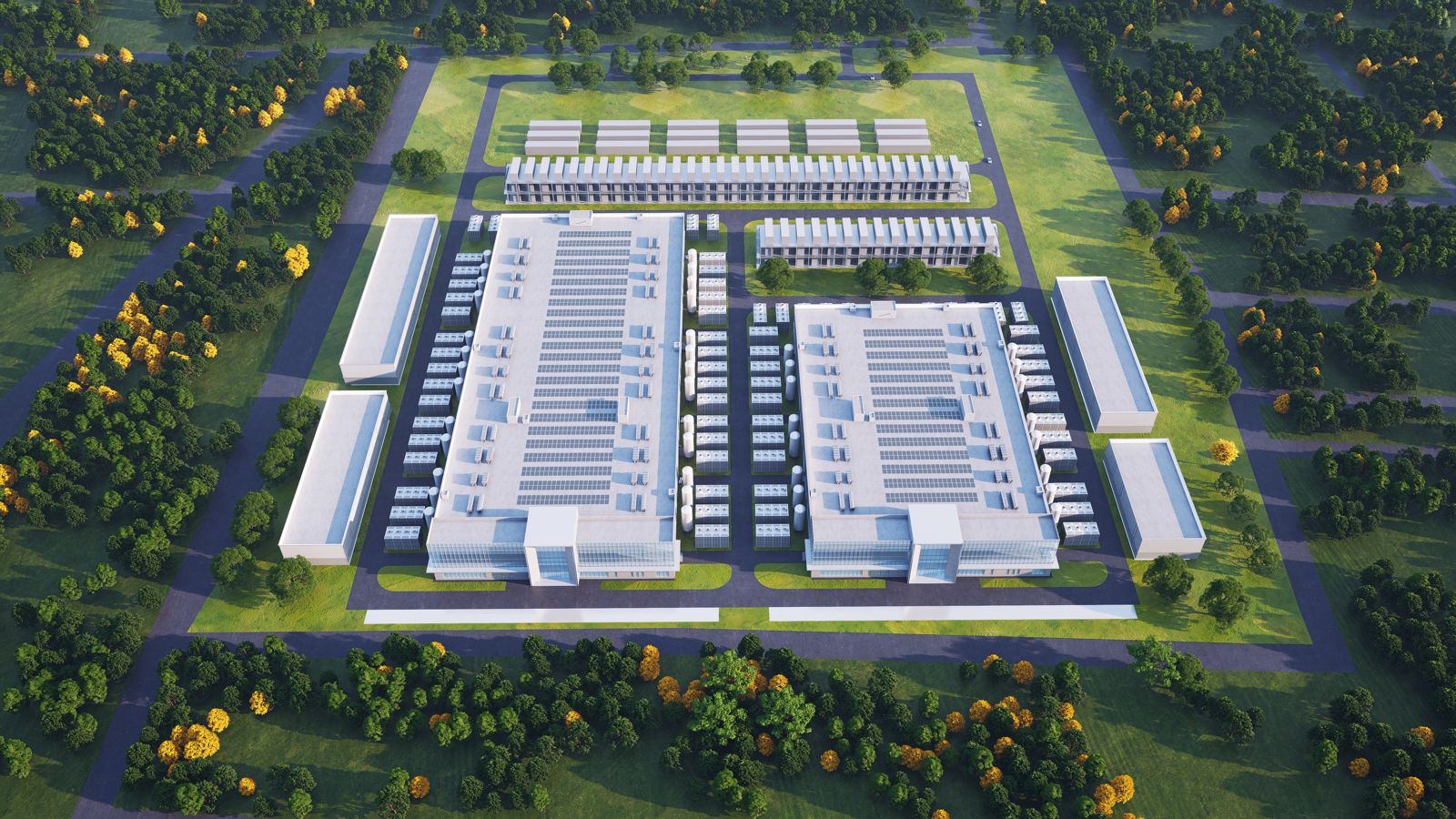
Coresphere designs power, cooling, structure and network systems around an evolving envelope of compute density. Infrastructure is built with adaptability and increasing density in mind — able to accommodate evolving rack power and cooling requirements without requiring fundamental redesign of the facility.
Blackwell
Current generation
Rubin
Next generation
Future Rack-Scale Architectures
Evolving requirements
Power
Utility-to-rack electrical architecture engineered for large, dynamic AI loads
Cooling
Closed-loop, direct-to-chip liquid cooling designed into the facility from the outset
Network
Carrier-diverse, high-bandwidth connectivity architecture for large-scale AI clusters
Operations
24/7 technical operations with experience across the full infrastructure lifecycle
Technical Framework
Rack-scale architecture, not retrofitted colocation.
Infrastructure designed around the demands of next-generation rack-scale compute. Power and cooling systems sized for high-density deployments from the first drawing.
Closed-loop, direct-to-chip liquid-cooling capability designed into the facility architecture from the outset — not added as an upgrade to an air-cooled building.
Utility-to-rack electrical infrastructure engineered for large, dynamic AI loads. Substation architecture designed for peak density, not average draw.
Carrier-diverse, high-bandwidth connectivity architecture designed for large-scale AI clusters. Fiber routing and interconnection planned from the first site layout.
Energy and water performance treated as engineering metrics. PUE and WUE measured and continuously improved — not cited as marketing claims.
Infrastructure designed to accommodate evolving rack power and cooling requirements without requiring fundamental redesign of the facility.
Portfolio
Navanakorn, Thailand
130 MW
RFS: Q1 2028
Phase I groundbreak August 2026
Negeri Sembilan, Malaysia
200 MW
RFS: May 2027
9-month modular build programme
Phetchaburi, Thailand
50 MW
RFS: May 2028
80 MW solar + 20 MW BESS co-located
Indonesia
700 MW
Bosnia
100 MW
Italy
100 MW
Greece
75 MW
Resource Efficiency
Resource efficiency is an engineering discipline, not a marketing position. PUE, WUE and embodied carbon are measured with the same rigour as rack density.
Measure and continuously improve PUE. Maximize useful compute from every secured megawatt. Liquid cooling and on-site renewables reduce the operational energy gap.
WUE measured with the same discipline as PUE. Closed-loop cooling architecture prioritized. Operational water dependency minimized by design, not by assumption.
Responsible site planning, biodiversity protection, landscaped buffers, and blue-green infrastructure — stormwater, flood resilience, landscape and biodiversity integrated from the campus masterplan.
Embodied carbon, equipment lifecycle and responsible material selection considered alongside operational efficiency. Design decisions account for full lifecycle impact.
Acoustic performance designed around sensitive receptors and community impact — not relying solely on statutory boundary limits. Acoustic mitigation is an engineered solution, not a landscaping exercise.
Flood, extreme heat, water availability, climate change and grid resilience incorporated into site and engineering decisions from the outset, not as a post-design risk overlay.
The Builders
Infrastructure this critical cannot be managed at arm's length. Our people stay close to the work — from site selection, power and design through construction, commissioning and operations.
We bring the experience to know what matters, the commitment to see it through, and the responsibility to build the next generation of engineers, technicians and operators who will carry AI infrastructure forward.
AirTrunk
Johor, Malaysia
Data Centre Design & Construction Management
Equinix
Shanghai, China
Data Centre Design & Engineering
MINDEF
Malaysia
Secure Government Data Centre
BCEL
Laos
Financial Infrastructure
Sao Ba Dao
Vietnam
Digital Infrastructure Development
Infrastructure Philosophy
Power is infrastructure.
Cooling is infrastructure.
Connectivity is infrastructure.
People are infrastructure.
Building AI infrastructure also means building the people capable of operating it. The Coresphere Data Center Training Campus is not a CSR programme — it is part of how we think about infrastructure.
Coresphere Data Center Training Campus
The Coresphere Data Center Training Campus will develop practical technical capability across data-center engineering, operations, cooling, electrical systems, commissioning and AI infrastructure.
Our objective is not only to build the next generation of data centers, but to help build the next generation of people who will run them.
450 MW Secured. 330 MW Delivering December 2027.
Detailed project information, utility documentation, technical specifications and commercial terms are available through the project data room under NDA.
